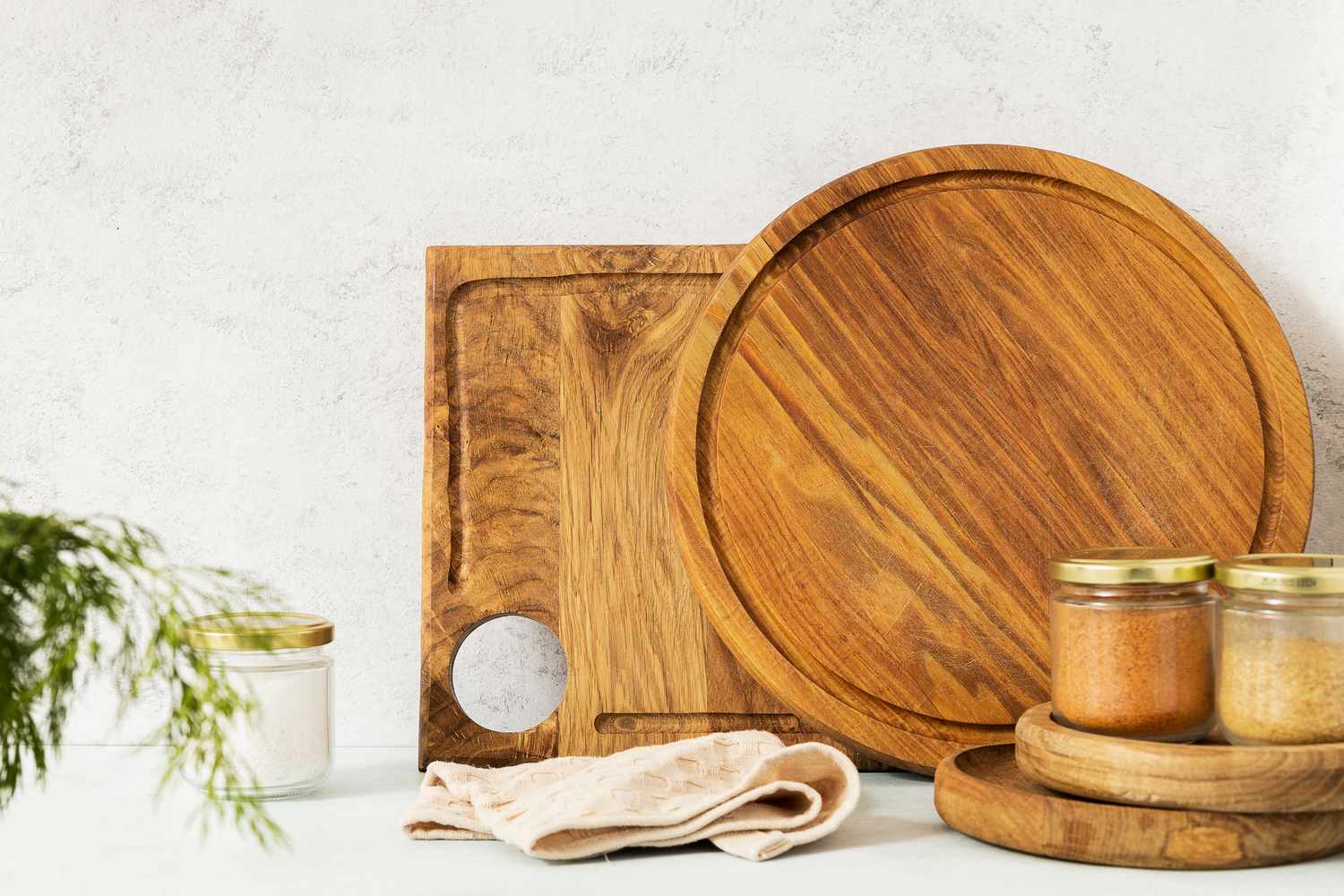
The Ultimate Guide to Cleaning & Seasoning Wooden Cutting Boards
A trusty wooden cutting board is more than just a kitchen tool; it's a cornerstone of culinary endeavors, bearing witness to countless meals prepared with love. From chopping crisp vegetables to artfully slicing bread, its natural beauty and durability are unmatched. However, to truly serve you for decades, as many high-quality wooden boards are capable of, this powerhouse demands a little tender loving care. Without proper maintenance, its porous surface can absorb unwanted odors and colors, harbor bacteria, or even warp and crack. This comprehensive guide will walk you through precisely how to clean a wooden cutting board and season it, ensuring it remains in pristine condition, looking its best and performing flawlessly for years to come.
Why Wooden Board Care is Non-Negotiable for Kitchen Hygiene and Longevity
Wood is an organic, naturally porous material. While this porosity gives wooden boards their distinct feel and can even help to "trap" bacteria below the surface, it also means they are susceptible to absorbing moisture, food particles, and odors if left untreated. This absorption can lead to a host of problems:
- Warping and Cracking: Excessive moisture absorption, especially unevenly, can cause the wood to expand and contract, leading to unsightly warps and deep cracks that compromise the board's integrity.
- Mold and Mildew: Trapped moisture, particularly in dark, unventilated spaces, creates a perfect breeding ground for mold, posing significant health risks.
- Odor and Stain Absorption: Ever cut garlic or red beets on your board only for the smell or stain to linger? This is a tell-tale sign of a board that needs attention.
- Bacterial Contamination: While wood possesses some natural antimicrobial properties, an unmaintained, cracked, or poorly cleaned board can still harbor harmful bacteria, leading to potential foodborne illnesses. This is why learning how to clean & oil your cutting board for lasting kitchen hygiene is so crucial.
Regular cleaning and seasoning don't just protect your health; they also preserve the beauty and structural soundness of your investment. It’s an essential part of maintaining your wooden board to prevent warping, stains & cracks.
Essential Practices for Daily & Deep Cleaning Your Wooden Board
Maintaining a clean wooden cutting board is a two-pronged approach: daily care after each use and periodic deep cleaning. Forget harsh chemicals or dishwashers – these are enemies of wood!
Everyday Cleaning Rituals
After each use, especially when dealing with fruits, vegetables, or cooked foods, a simple yet effective cleaning method is best:
- Scrape Off Debris: Use a bench scraper or the back of your knife to remove any food particles.
- Wipe Down Immediately: Using warm water and a small amount of mild dish soap (never immerse or soak!), scrub the board with a clean sponge or dishcloth. Focus on areas that came into contact with food.
- Rinse Quickly: Rinse both sides of the board under running water, ensuring all soap residue is removed.
- Dry Thoroughly: Immediately towel-dry the board with a clean cloth. Then, stand it upright (e.g., against a backsplash) or place it on a drying rack so air can circulate around both sides. This prevents uneven drying, which can lead to warping, and also discourages mold growth.
Important Note: Never, ever put your wooden cutting board in the dishwasher. The intense heat and prolonged exposure to water and harsh detergents will quickly lead to irreparable warping, cracking, and splintering.
The Power of Lemon and Salt for Deep Cleaning and Deodorizing
For those times when your board has lingering odors, stubborn stains, or simply needs a refresh before re-seasoning, the lemon and salt method is a time-tested, natural solution. Aim to do this 1-3 times a year, or more often if your board sees heavy use or deals with pungent ingredients.
- Sprinkle with Coarse Salt: Generously sprinkle a layer of coarse salt (like kosher salt or sea salt) over the entire surface of your board. The coarser the salt, the better its abrasive qualities.
- Halve a Lemon: Cut a lemon in half. The acidity of the lemon acts as a natural disinfectant and deodorizer, while its juice helps to lift stains.
- Scrub Vigorously: Use the cut side of the lemon as a scrubber. Press down firmly and scrub the salt into the board's surface, moving in circular motions. You'll notice the lemon juice mixing with the salt to create a paste. Pay extra attention to knife grooves and stained areas.
- Let it Sit (Optional): For deep stains or odors, you can let the salt-lemon mixture sit on the board for 10-15 minutes.
- Scrape and Rinse: Use a bench scraper or a spatula to scrape off the salt and lemon residue. Then, rinse the board under warm, running water, ensuring all traces of salt are gone.
- Dry Thoroughly: Just like with daily cleaning, towel-dry immediately and allow the board to air-dry completely upright.
The Art of Seasoning: Nourishing Your Wooden Board
Cleaning is only half the battle; seasoning is what truly protects and revitalizes your wooden board. This process involves applying a food-safe oil (and sometimes wax) to penetrate the wood fibers, creating a barrier against moisture, odors, and bacteria.
Recognizing the Need for Seasoning
Your board will send clear signals when it's thirsty for a good seasoning:
- Visual Dryness: If parts of your board look noticeably lighter, drier, or even dull compared to other areas, it’s time to oil.
- The Water Drop Test: This is the most reliable indicator. Place a few drops of water on the board's surface. If the water beads up, your seasoning is still effective. If it soaks into the wood, forming a dark spot, your board is thirsty and needs immediate attention.
- Stubborn Stains/Smells: If your board holds onto smells or stains even after deep cleaning, its protective barrier has likely worn thin, making it more absorbent.
Generally, aim to season your board monthly, or more frequently if it sees heavy use or frequent washing.
Choosing the Right Oil and Wax for Cutting Boards
Not all oils are created equal when it comes to wood care. It's crucial to use food-grade products that won't go rancid.
- Food-Grade Mineral Oil: This is widely considered the best choice. It's inexpensive, readily available, non-toxic, and most importantly, it's a non-drying oil, meaning it won't polymerize (harden) or go rancid over time. It deeply penetrates the wood to prevent warping and cracking.
- Beeswax (or a blend of wax and oil): While oil penetrates, wax provides a more durable surface barrier. A combination of food-grade mineral oil and beeswax (often sold as "board butter" or "board wax") offers the best of both worlds. The wax fills in knife grooves, creating a protective layer against bacteria, stains, and liquids, while adding a lovely sheen.
What to AVOID: Do NOT use common cooking oils like olive oil, vegetable oil, canola oil, or sunflower oil. These are drying oils that will eventually go rancid, leading to unpleasant odors and a sticky, gummy surface on your board.
Step-by-Step Seasoning Process
- Ensure Cleanliness: Start with a thoroughly clean and completely dry board. Any moisture or debris will be sealed in by the oil.
- Apply Oil Generously: Pour a liberal amount of food-grade mineral oil directly onto the board. Don't be shy – the board should look visibly wet.
- Rub It In: Using a clean, lint-free cloth or paper towel, rub the oil into the wood, working with the grain. Ensure both sides and all edges are thoroughly saturated.
- Let it Soak: Allow the oil to penetrate for at least 30 minutes, or ideally several hours, even overnight. The longer it soaks, the deeper the penetration. You might notice dry spots appearing as the wood absorbs the oil – apply more oil to these areas.
- Wipe Off Excess: After soaking, use a fresh, clean cloth to wipe off any excess oil. The board should feel smooth, not greasy.
- Apply Wax (Optional, but Recommended): If using a board wax or "board butter," apply a small amount with a clean cloth. Rub it into the surface in circular motions, again covering both sides and edges.
- Buff to a Sheen: Allow the wax to sit for 15-20 minutes, then buff the board vigorously with a clean, dry cloth until it achieves a soft, protective sheen.
Pro Tips for Optimal Wooden Board Longevity
- Dedicated Boards: To prevent cross-contamination, consider having one wooden board exclusively for fruits, vegetables, and cooked items, and another (or a non-porous option like plastic) for raw meats and fish. This is a critical step in kitchen hygiene.
- Store Properly: Always store your board in a way that allows air circulation, ideally standing upright. Avoid laying it flat on a counter or storing it in a damp, enclosed space.
- Address Deep Cuts: Over time, knife marks will accumulate. For very deep grooves that are difficult to clean, you can lightly sand your board with fine-grit sandpaper (e.g., 220-grit) following the wood grain. Always re-season thoroughly after sanding.
- Consistency is Key: Regular, gentle cleaning and periodic seasoning are far more effective than infrequent, aggressive interventions. Develop a routine that fits your usage.
Your wooden cutting board is an investment in your kitchen. By understanding how to clean a wooden cutting board and season it properly, you’re not just maintaining a tool; you're preserving a piece of culinary heritage. With just a little dedication, your beloved board will continue to be a beautiful, hygienic, and reliable companion in your kitchen for many years to come.
