Unlock Lasting Kitchen Hygiene: A Comprehensive Guide to Cleaning & Oiling Your Wooden Cutting Board
Your wooden cutting board is more than just a kitchen tool; it's a trusty companion through countless meal preps, a beautiful addition to your culinary space, and with proper care, a legacy piece that can last for decades. Yet, like any workhorse, it requires attention to remain in peak condition. Understanding how to clean a wooden cutting board and season it isn't just about aesthetics; it's fundamental to maintaining kitchen hygiene, preventing the spread of bacteria, and ensuring your board resists warping, cracking, and unsightly stains. Dive into this comprehensive guide to master the art of cutting board care and unlock its full potential for years to come.Why Proper Cutting Board Care Matters for Your Health and Your Board's Lifespan
A wooden cutting board, with its natural charm and durability, is a staple in many kitchens. However, its organic nature means it's inherently porous. This porosity, while offering a forgiving surface for your knives, also makes it susceptible to absorbing liquids, odors, and colors from the foods you prepare. Neglecting proper care can lead to several undesirable outcomes:- Bacterial Growth: Over time, tiny knife grooves can become breeding grounds for bacteria, especially if preparing raw meats or fish. Without proper cleaning and sanitizing, these pathogens can transfer to other foods, posing a significant health risk.
- Unwanted Odors and Stains: Imagine your board forever smelling faintly of garlic or looking permanently stained by beets. Without a protective barrier, wood readily absorbs these elements, making your board unhygienic and unappealing.
- Warping and Cracking: Exposure to excessive moisture, particularly from soaking or dishwasher cycles, causes wood fibers to expand and contract unevenly. This leads to frustrating warping, which makes cutting unstable, or worse, deep cracks that harbor bacteria and eventually render the board unusable.
- Shortened Lifespan: A well-maintained wooden board is an investment that can genuinely last for generations. Conversely, a neglected one will quickly deteriorate, requiring costly replacements.
Essential Cleaning Techniques for Daily Use and Deep Sanitization
Cleaning your wooden cutting board effectively is a multi-faceted process, ranging from daily washes to periodic deep cleans. The key is consistency and using the right methods.Daily Cleaning: The Basics
For everyday use, especially after preparing fruits, vegetables, or baked goods, a quick wash is usually sufficient:
- Scrape Off Debris: Use a bench scraper or the blunt edge of a knife to remove any food bits.
- Wash Immediately: Don't let food sit on the board. Rinse with hot water and a small amount of mild dish soap. Use a clean sponge or scrub brush to thoroughly clean both sides.
- Rinse Well: Ensure all soap residue is removed.
- Dry Promptly: This is crucial! Pat the board dry with a clean towel and then allow it to air dry completely. Crucially, stand it upright or lean it against a wall so air can circulate around both sides. This prevents moisture from lingering and causing warping or mold.
Never submerge your wooden board in water for extended periods, and under no circumstances should it ever go into a dishwasher. The extreme heat and harsh detergents will quickly ruin the wood, leading to immediate warping, cracking, and degradation.
Deep Cleaning and Deodorizing with Lemon & Salt
For stubborn stains, lingering odors, or simply a periodic refresh, the lemon and salt method is a time-tested, natural solution:
- Clean and Dry: Start with a board that's already been cleaned of any loose food particles.
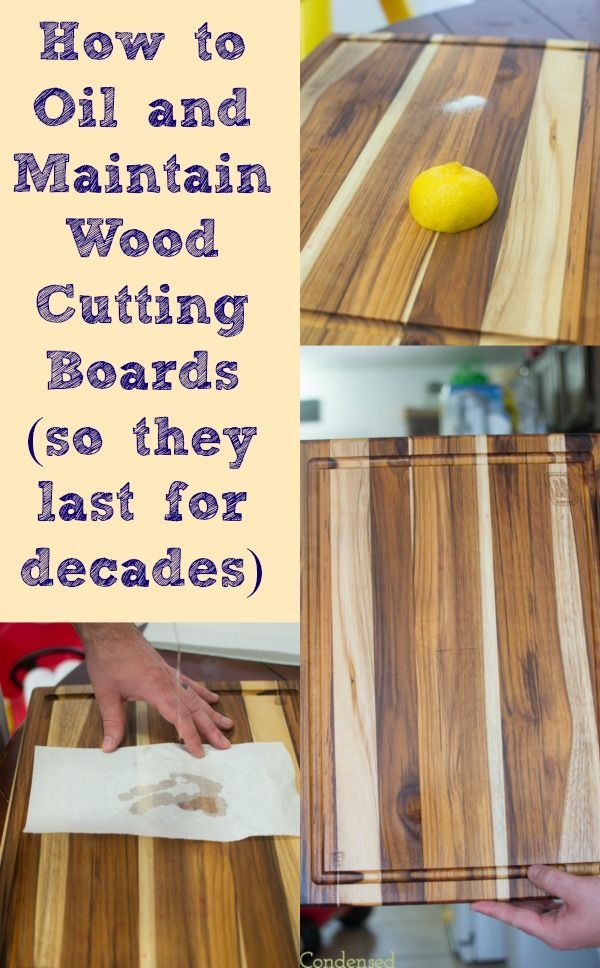
- Sprinkle Salt: Generously sprinkle coarse salt (kosher salt works wonderfully) over the entire surface of the board.
- Scrub with Lemon: Cut a lemon in half. Using the cut side of the lemon, scrub the salt into the board. The lemon juice acts as a natural disinfectant and deodorizer, while the salt provides an abrasive scrubbing action to lift stains and grime. Focus on any discolored areas or knife marks.
- Let It Sit: Allow the lemon juice and salt mixture to sit on the board for 5-10 minutes to work its magic.
- Scrape and Rinse: Use a bench scraper to remove the salt and lemon paste. Rinse the board quickly with warm water.
- Dry Thoroughly: Pat dry and air dry upright, as described above.
This method is excellent for refreshing your board, and many find it beneficial to do this before a full seasoning treatment. For an even more comprehensive guide on refreshing your board, you might find The Ultimate Guide to Cleaning & Seasoning Wooden Cutting Boards incredibly helpful.
The Art of Seasoning: When & How to Oil Your Board for Protection
Seasoning your wooden cutting board is arguably the most vital step in its long-term care. It involves applying a food-safe oil or wax to penetrate the wood, creating a protective barrier that repels water, prevents dryness, and enhances the wood's natural beauty.How to Tell if Your Board Needs Seasoning
Your board will send you clear signals when it's thirsty for oil:
- Visual Cues: If patches of your board appear lighter, duller, or drier than the rest, it's a sure sign the wood is drying out.
- The "Water Drop Test": This is the most reliable indicator. Sprinkle a few drops of water onto the board's surface. If the water beads up into distinct droplets, your board is adequately seasoned. If the water soaks into the wood and darkens it, it's definitely time to oil.
- Lingering Odors or Stains: If your board is prone to absorbing smells or showing persistent stains even after cleaning, it means its protective barrier is compromised, allowing substances to penetrate the wood fibers.
Choosing the Best Oil or Wax for Your Board
Not all oils are created equal when it comes to cutting boards. It's critical to select food-safe options that won't go rancid:
- Mineral Oil: This is the gold standard. Food-grade mineral oil (also known as liquid paraffin) is inexpensive, non-toxic, tasteless, odorless, and, most importantly, non-oxidizing, meaning it won't go rancid over time. It penetrates deeply to moisturize the wood.
- Beeswax/Board Butter: Many prefer a combination of mineral oil and beeswax, often sold as "board butter" or "board cream." The oil penetrates, while the beeswax forms a more robust physical barrier on the surface, offering superior protection against moisture, stains, and bacteria in knife grooves.
- Avoid These: Steer clear of common kitchen oils like olive oil, vegetable oil, canola oil, or coconut oil. While they might seem convenient, they will oxidize and turn rancid over time, imparting an unpleasant smell and potentially taste to your food.
The Seasoning Process: Step-by-Step
- Ensure Cleanliness: Your board must be thoroughly clean and completely dry before oiling. Any lingering moisture will prevent the oil from penetrating effectively.
- Apply Generously: Pour a generous amount of food-grade mineral oil onto the board. Don't be shy – the drier the board, the more it will soak up.
- Rub It In: Using a clean, soft cloth or paper towel, rub the oil into the wood, working with the grain. Ensure you cover all surfaces, including the edges. The goal is to saturate the wood.
- Let It Soak: Allow the oil to penetrate for at least 30 minutes, or ideally, several hours, even overnight. If the board absorbs all the oil quickly, apply another coat. The longer it soaks, the better the protection.
- Wipe Off Excess: After the soaking period, use a clean, dry cloth to wipe off any excess oil. The board should feel smooth, not greasy. Buff it gently to bring out a subtle sheen.
- Repeat as Needed: For new boards or very dry boards, you might need to repeat the oiling process a few times in the first week. Generally, seasoning 1-3 times a year is sufficient for most boards, but heavily used boards might benefit from a monthly treatment.
Advanced Tips for Wooden Board Longevity and Optimal Hygiene
Beyond regular cleaning and seasoning, a few extra habits can significantly extend the life and hygienic integrity of your wooden cutting board:- Designate Boards for Specific Foods: To prevent cross-contamination, consider having separate cutting boards for raw meats and fish versus produce, bread, or cooked foods. Using a non-porous board (like plastic) for raw animal products is also a good strategy. If using wood, ensure any board used for raw meat is immediately and thoroughly sanitized after use.
- Even Usage: If you tend to use only one side of your board, it might warp. Try to alternate usage between both sides to ensure even exposure and wear.
- Address Deep Gouges: Over time, deep knife marks can develop. These grooves can harbor bacteria and are harder to clean. Periodically, you can lightly sand your board with fine-grit sandpaper (e.g., 220-grit) to smooth out these imperfections. Always re-oil thoroughly after sanding.
- Proper Storage: Store your board in a cool, dry place. Avoid storing it flat on a countertop for extended periods, as this can trap moisture underneath and lead to warping or mold. Leaning it upright or hanging it allows for proper air circulation. Keep it away from direct sunlight or heat sources like ovens, which can dry out the wood. For more insights on safeguarding your board, consider reading Maintain Your Wooden Board: Prevent Warping, Stains & Cracks.
- Avoid Harsh Chemicals: Bleach and other harsh chemical cleaners are detrimental to wood and should never be used on your cutting board. They can dry out the wood, damage its fibers, and leave residues that are unsafe for food contact.
