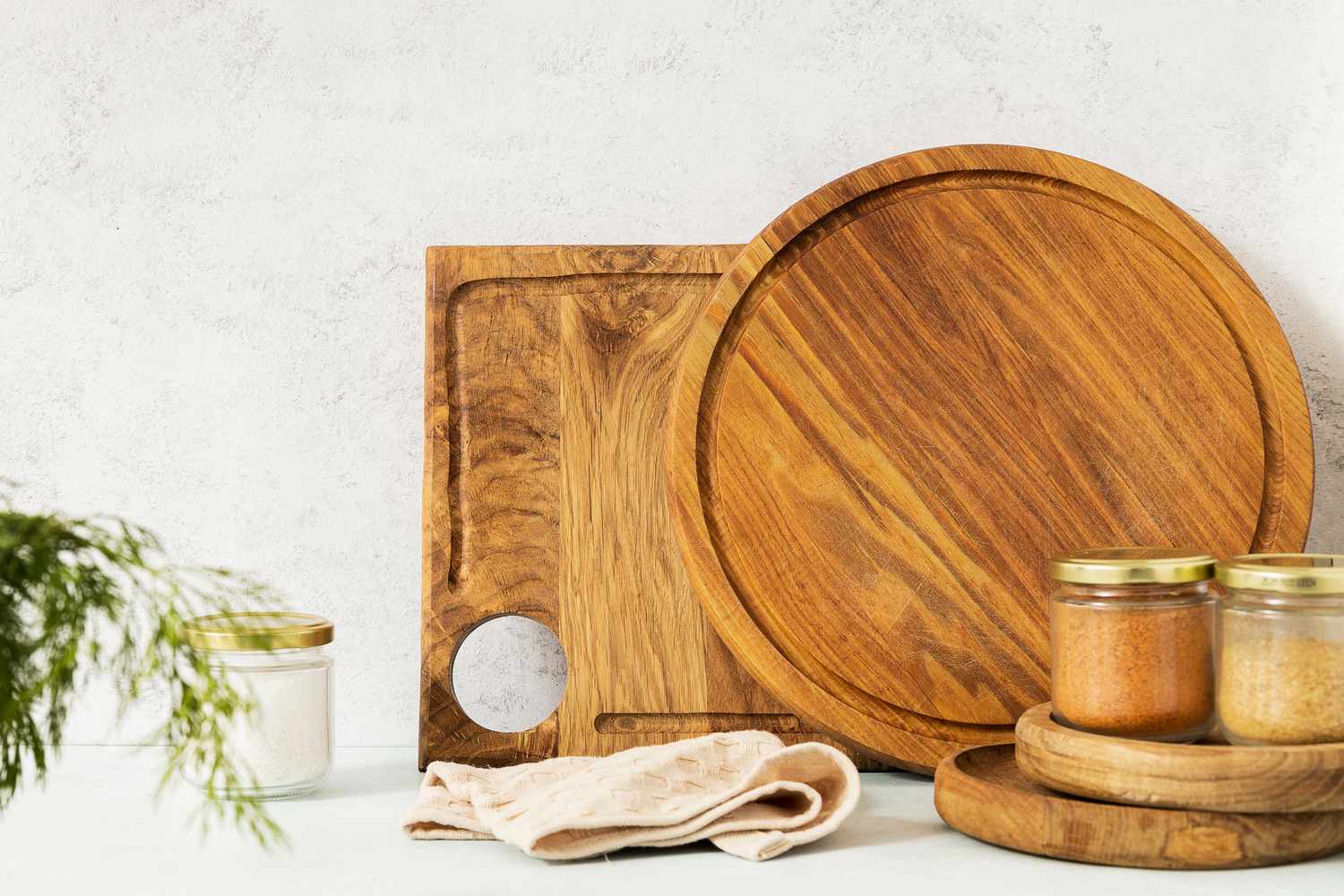
Wooden cutting boards are not just beautiful kitchen workhorses; they're an investment designed to last for decades. Unlike their plastic counterparts, a well-maintained wooden board offers superior knife-friendliness, natural antimicrobial properties, and a timeless aesthetic. However, to unlock this longevity and keep your board hygienic and looking its best, consistent care is paramount. Without proper attention, the porous nature of wood leaves it vulnerable to common culinary culprits: unsightly stains, lingering odors, damaging cracks, and frustrating warping. The good news? Caring for your wooden cutting board needn't be a chore. This comprehensive guide will walk you through how to clean a wooden cutting board and season it effectively, ensuring it remains a cherished staple in your kitchen for years to come.
The Imperative of Wood Board Maintenance: Warding Off Wear and Tear
Understanding why regular maintenance is critical is the first step towards preserving your wooden cutting board. Wood, by its very nature, is absorbent. This characteristic, while beneficial in some aspects, makes it susceptible to several issues if neglected:
- Warping and Cracks: The most common enemies of a wooden board are excessive moisture and uneven drying. When one side absorbs more water than the other, or dries too quickly, the wood fibers expand and contract disproportionately, leading to bowing, twisting, or splitting. Prolonged soaking in water or a trip through the dishwasher is a death sentence for wooden boards, almost guaranteeing these structural failures.
- Stubborn Stains and Lingering Odors: Imagine chopping vibrant red beets or pungent garlic directly onto an unseasoned board. The porous wood readily absorbs these colors and smells, leaving behind telltale evidence that can be difficult to remove and potentially transfer to other foods.
- Bacterial Contamination: While wood possesses natural antimicrobial properties, deep knife grooves and unsealed surfaces can harbor bacteria, especially after contact with raw meats or fish. Proper cleaning and seasoning create a barrier against these unwelcome guests, crucial for food safety.
- Mold Growth: Boards left damp for extended periods, particularly in humid environments or stored improperly, become breeding grounds for mold. This not only poses a health risk but also irreversibly damages the wood.
By regularly cleaning and seasoning your wooden board, you create a protective barrier that repels water, prevents stains, blocks odors, and minimizes bacterial absorption, allowing your board to age gracefully rather than fall victim to these common pitfalls.
Mastering the Clean: How to Clean a Wooden Cutting Board Effectively
Daily cleaning and periodic deep cleaning are both essential components of maintaining a hygienic and durable wooden board. Remember, patience and promptness are key – never let food residue sit for too long.
Everyday Cleaning for Your Wooden Board
For most daily uses, a simple yet effective cleaning routine suffices:
- Scrape Off Residue: Immediately after use, use a bench scraper or the blunt edge of a knife to remove any food bits.
- Wash Gently: Rinse the board under warm, running water. For stubborn residues or after cutting items that might leave odors (like onions or garlic), you can use a small amount of mild dish soap and a sponge or brush.
- Rinse Thoroughly: Ensure all soap residue is completely washed away.
- Immediate Drying is Crucial: This is arguably the most vital step. Use a clean towel to thoroughly dry both sides of the board.
- Proper Air Drying: Do not lay the board flat. Instead, stand it upright or prop it on its side, allowing air to circulate evenly around all surfaces. This prevents moisture from being trapped and helps avoid warping.
Absolute Don'ts: Do not soak your wooden board in water for longer than a few minutes, and never, ever put it in the dishwasher. The intense heat and prolonged exposure to water will almost certainly cause it to warp, crack, or even split.
Deep Cleaning with Lemon and Salt: The Natural Power Couple
For persistent stains, lingering odors, or as a preparatory step before seasoning, the lemon and salt method is a time-honored, natural solution:
- Prepare the Surface: Ensure your board is dry and free of any major food debris.
- Sprinkle with Coarse Salt: Generously sprinkle coarse salt (kosher salt works well) over the entire surface of the board. The salt acts as a gentle abrasive.
- Lemon Rub: Cut a lemon in half. Using the cut side, scrub the salt-covered surface, squeezing the lemon gently as you go. The lemon juice helps lift stains, sanitize, and neutralize odors, while the salt provides the scrubbing power. Pay extra attention to any heavily stained areas or knife grooves.
- Let it Sit (Optional): For very stubborn issues, you can let the lemon and salt mixture sit on the board for 5-10 minutes.
- Scrape and Rinse: Scrape off the salty, lemony paste. Then, rinse the board briefly with warm water, ensuring all residue is removed.
- Dry Thoroughly: As always, immediately dry the board with a clean towel and allow it to air dry completely in an upright position.
This deep cleaning method is recommended approximately 3-4 times a year for moderately used boards, or monthly for heavily used ones, especially if you notice stains or odors developing.
The Art of Seasoning: How to Clean a Wooden Cutting Board and Season It for Longevity
Seasoning is the protective ritual that shields your wooden board from moisture, stains, and cracks, extending its lifespan considerably. Think of it as moisturizing your board to keep it supple and strong.
Recognizing When Your Board Needs Seasoning
Your board will send clear signals when it's thirsty for oil:
- Dry, Lighter Patches: If areas of your board appear dull, lighter in color, or feel rough and dry compared to other parts, it's time to re-season.
- The Waterdrop Test: This is a definitive indicator. Drip a few drops of water onto the board's surface. If the water beads up, your seasoning is still effective. If it immediately soaks into the wood, your board is unprotected and desperately needs oil.
- Lingering Stains or Odors: While these also suggest a deep clean is in order, their presence often means the protective barrier is compromised, making seasoning a necessary follow-up.
Choosing the Best Oil for Cutting Boards
The right oil is crucial. It must be food-safe, penetrate the wood, and not go rancid. Avoid vegetable oils like olive, canola, or sunflower oil, as they can become sticky and rancid over time, leading to unpleasant odors and flavors.
- Mineral Oil (Food-Grade): This is the go-to choice for most. It's inexpensive, non-toxic, doesn't go rancid, and penetrates deeply to hydrate the wood. Always ensure it's food-grade, often labeled as "butcher block oil" or "cutting board oil."
- Oil and Wax Blends: Many commercial products combine mineral oil with natural waxes like beeswax or carnauba wax. While the oil penetrates the wood, the wax creates a more robust physical barrier on the surface, further protecting against moisture, stains, and bacteria, especially within knife grooves. This blend offers superior protection and a lovely sheen.
Step-by-Step Seasoning Process
Once you've cleaned and thoroughly dried your board, you're ready to season:
- Apply Generously: Pour a generous amount of your chosen food-grade mineral oil (or oil/wax blend) onto the board. Don't be shy, especially on the first few seasonings.
- Spread Evenly: Using a clean, lint-free cloth or paper towel, rub the oil into all surfaces of the board, including the edges and sides. Ensure complete saturation.
- Allow to Absorb: Let the oil penetrate the wood for at least several hours, or ideally, overnight. You might notice the board "drinking up" the oil. Place it on a few paper towels to catch any drips.
- Wipe Off Excess: After the soaking period, use a clean, dry cloth to wipe off any excess oil from the surface. The board should feel smooth and conditioned, not greasy.
- Repeat (Initial Seasoning): For brand-new boards or those that have been severely neglected, repeat this process 2-3 times over a few days until the wood no longer rapidly absorbs the oil.
How Often to Season: This depends on usage and environment. For heavily used boards, aim for monthly seasoning. Moderately used boards might need it every 2-3 months, and lightly used ones perhaps 1-2 times a year. Always perform the waterdrop test if you're unsure. For a deeper dive into optimal care, check out The Ultimate Guide to Cleaning & Seasoning Wooden Cutting Boards.
Advanced Tips for Sustained Wooden Board Health
Beyond cleaning and seasoning, a few extra habits can significantly extend your board's life and enhance its performance:
- Dedicated Boards: To minimize the risk of cross-contamination, consider having separate boards – one for raw meats and poultry (or use a non-porous option for these) and another for fruits, vegetables, and cooked items.
- Rotate Use: If you have multiple boards, rotate them to ensure even wear and tear, allowing each board ample time to dry completely between uses.
- Proper Storage: Always store your wooden board upright, on its side, or hanging. Avoid storing it flat, especially on a wet counter or near a heat source like an oven or radiator, as uneven temperature and moisture can lead to warping.
- Avoid Harsh Chemicals: Never use bleach or abrasive cleaners on your wooden board, as these can dry out the wood, compromise its integrity, and potentially leave harmful residues.
- Sanding for Restoration: For deeply stained, heavily scarred, or rough boards, a light sanding with fine-grit sandpaper (180-220 grit) can work wonders. Always sand with the grain, then clean and re-season thoroughly afterward to restore its smooth surface and protective barrier. This process, combined with regular oiling, contributes to lasting kitchen hygiene.
Caring for your wooden cutting board is a small investment of time that pays off immensely in durability, hygiene, and aesthetic appeal. By consistently practicing proper cleaning techniques and regular seasoning, you're not just preventing warping, stains, and cracks; you're preserving a valuable kitchen tool that will faithfully serve you through countless meals and culinary adventures. Embrace these simple habits, and your wooden board will truly last a lifetime, becoming a beloved heirloom in your kitchen.
